2 to 3 mm
Total applied thickness
4 Parts
Cement, polymer, aggregate, pigment
Seamless
No grout, no joins
5 Days
Typical bathroom on site
What Is Micro Cement, and What Is It Made Of?
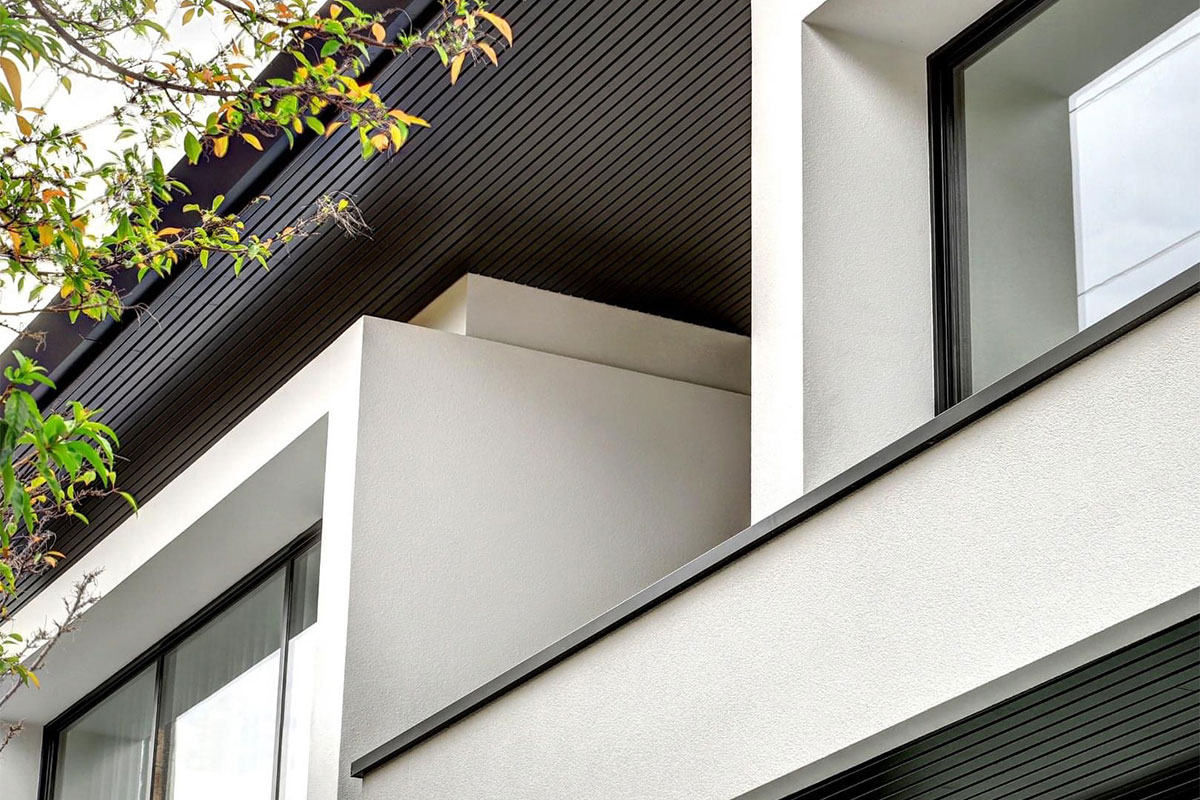
Microcement is a hand applied cementitious coating around 2 to 3 mm thick. It combines fine cement, polymer resin, graded aggregate and mineral pigment, and it bonds to existing surfaces rather than replacing them, giving a seamless finish with no grout lines or joins.
Microcement goes on at roughly 2 to 3 mm in total, across several layers, and bonds to whatever is already there rather than replacing it. That single characteristic is what makes it so useful in renovation work: it adds almost no thickness, almost no weight, and needs no demolition.
01
Cement Binder
A fine grade cement provides the structure and the mineral character of the finish.
02
Polymer Resin
Acrylic or similar polymers give the coating its flexibility and its adhesion to the surface beneath.
03
Graded Aggregate
Very fine sands and marble dust set the texture, from almost glass smooth to a light sanded tooth.
04
Mineral Pigment
Pigment disperses through the material rather than sitting on top, so the colour holds through the full depth.
A sealer then goes over those layers. The sealer is not a cosmetic step: it makes the surface water resistant, stain resistant and cleanable, and it decides how the finish performs in a wet area.
Concrete is structural and works by mass. Microcement is a finish and works by adhesion. They look related, but they solve different problems.
The polymer content is the honest answer to what is micro cement really is. Ordinary concrete relies on mass for its strength, which is why a slab is 100 mm thick and a microcement surface is 2 mm. The polymers let a very thin layer flex slightly with the substrate underneath instead of cracking away from it.
The Benefits: Seamless, Waterproof and Durable
Architects and designers choose microcement for the way it behaves, not just the way it looks. Three properties do most of the work.
Seamless
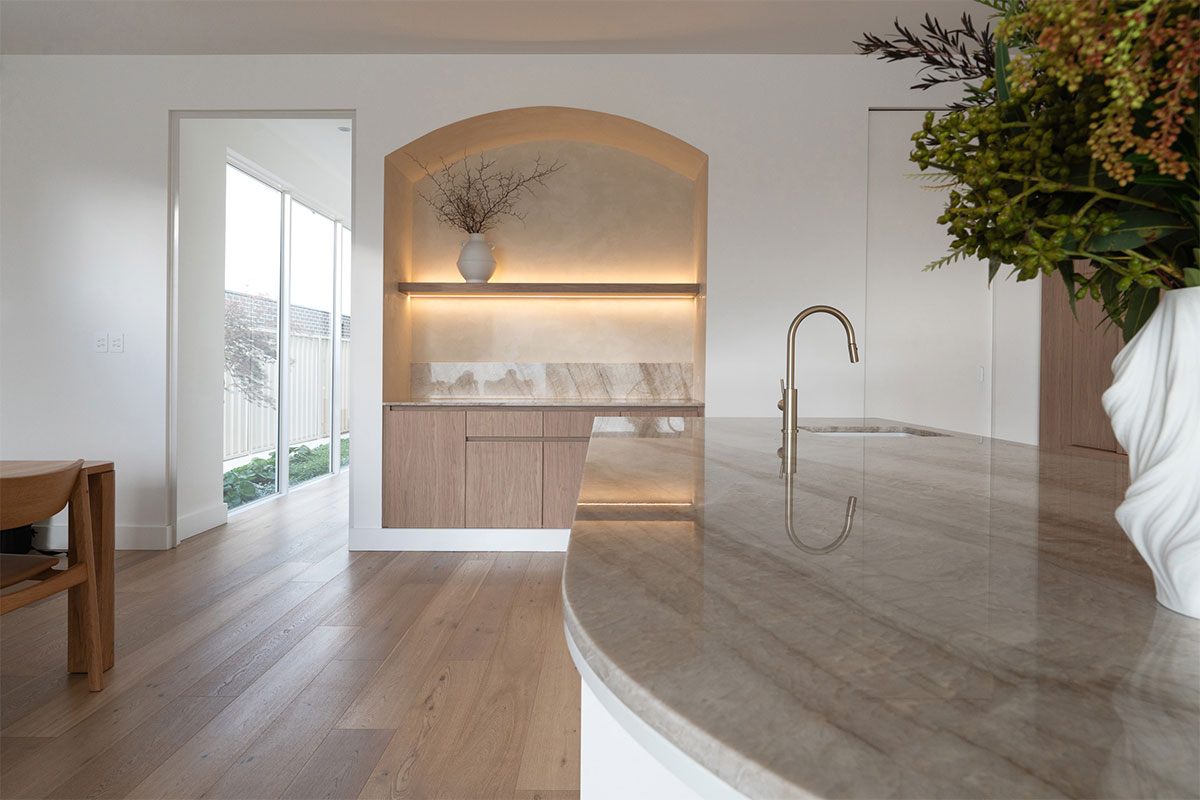
No tiles means no grout, no lines to discolour and no silicone going mouldy in a corner. In a compact Adelaide bathroom that continuity makes the space read considerably larger.
Water Resistant
Specify it correctly and seal it over a compliant membrane, and it performs in showers and wet rooms. The microcement is the finished surface, not the waterproofing.
Durable
Because it bonds rather than sits on top, there is nothing to lift at an edge. It handles traffic, takes heat, and can be spot repaired and resealed in place.
Worth being precise on the waterproofing point, because it is widely misunderstood. The membrane beneath the finish keeps water out of the structure, and it must meet Australian standards. The microcement and its sealer form the finished, water resistant surface above that membrane.
At 2 to 3 mm it rarely affects door clearances and adds negligible load, so it can go over an existing floor without structural work. Sealers need refreshing periodically in heavy traffic areas, much as a timber floor needs recoating.
Common Applications: Floors, Walls and Bathrooms
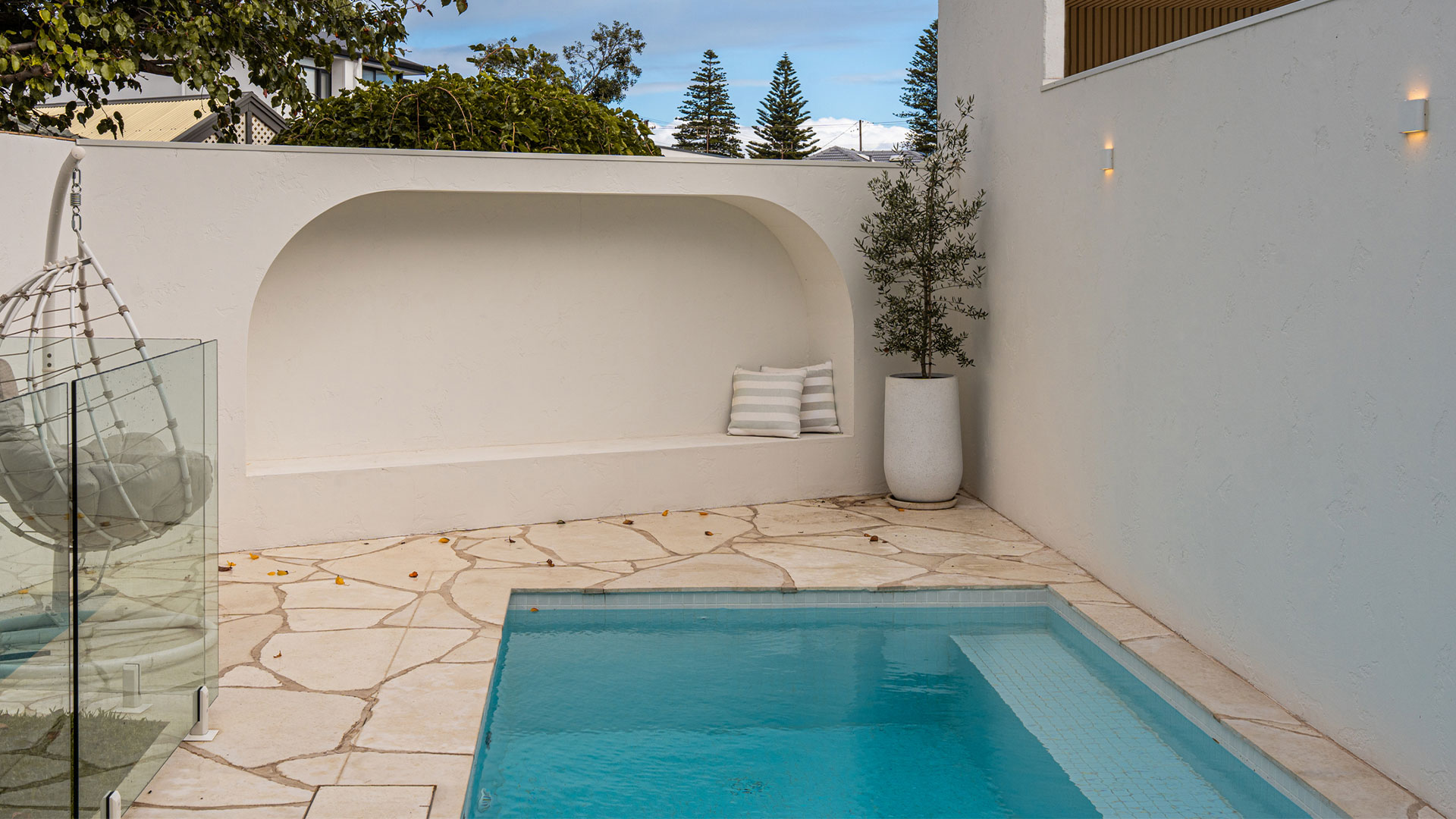
Floors. Living areas, hallways, kitchens and retail floors, which we lay over existing tile, screed or concrete. Underfloor heating is compatible, and the thin section actually helps heat transfer.
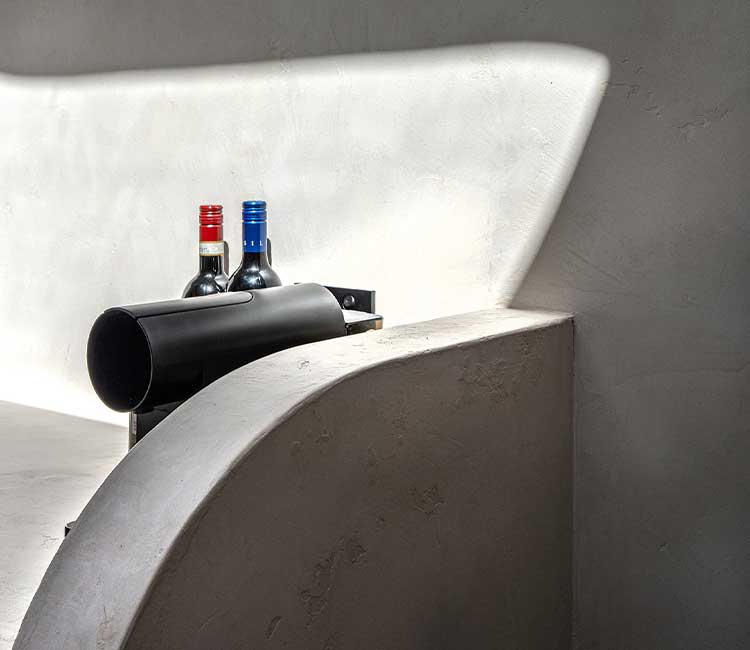
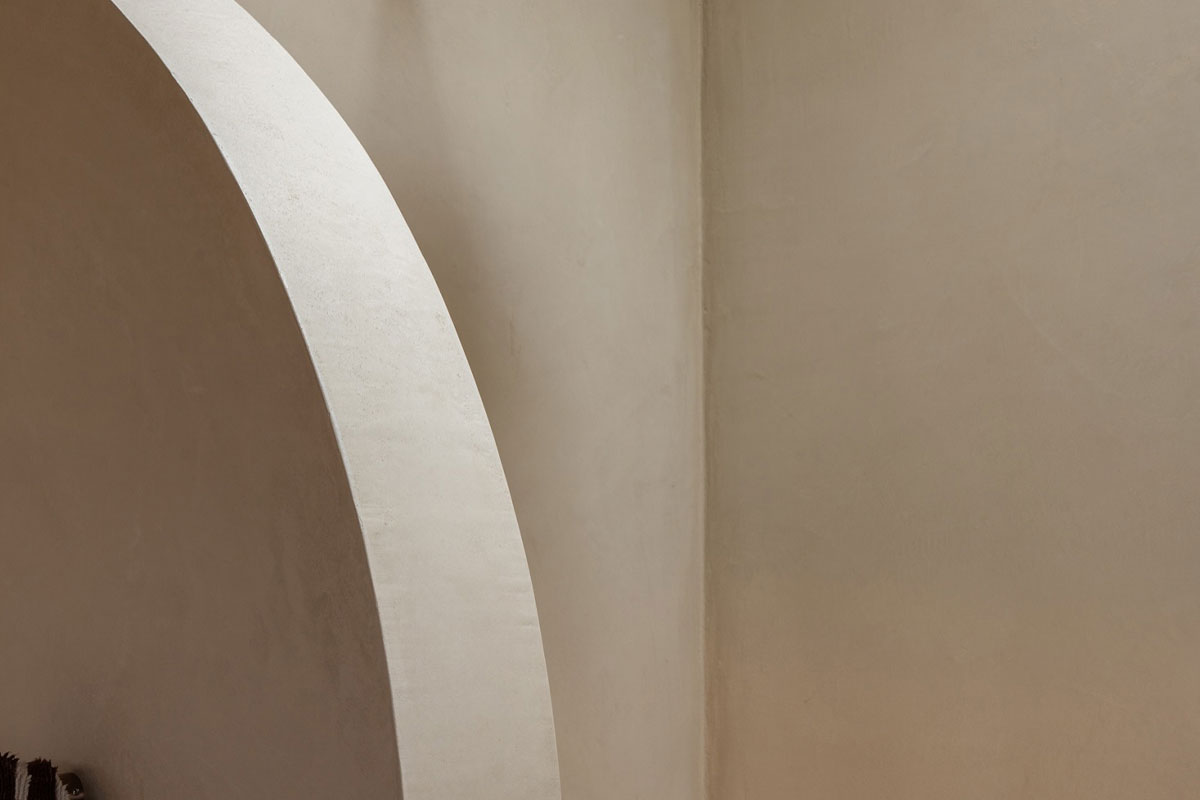
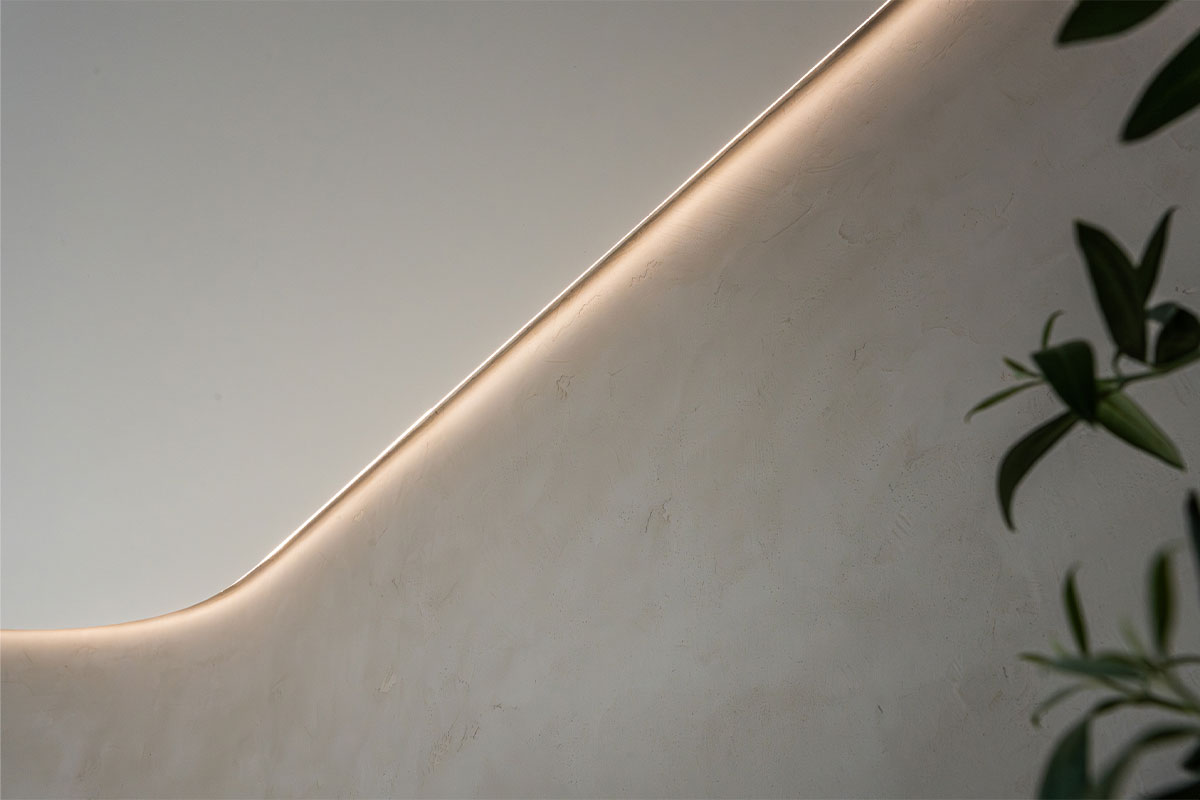
Walls. Feature walls, stair walls, splashbacks and joinery returns. On walls we can work the finish to show more or less of the trowel, from a very quiet flat plane to something with visible movement and cloud.
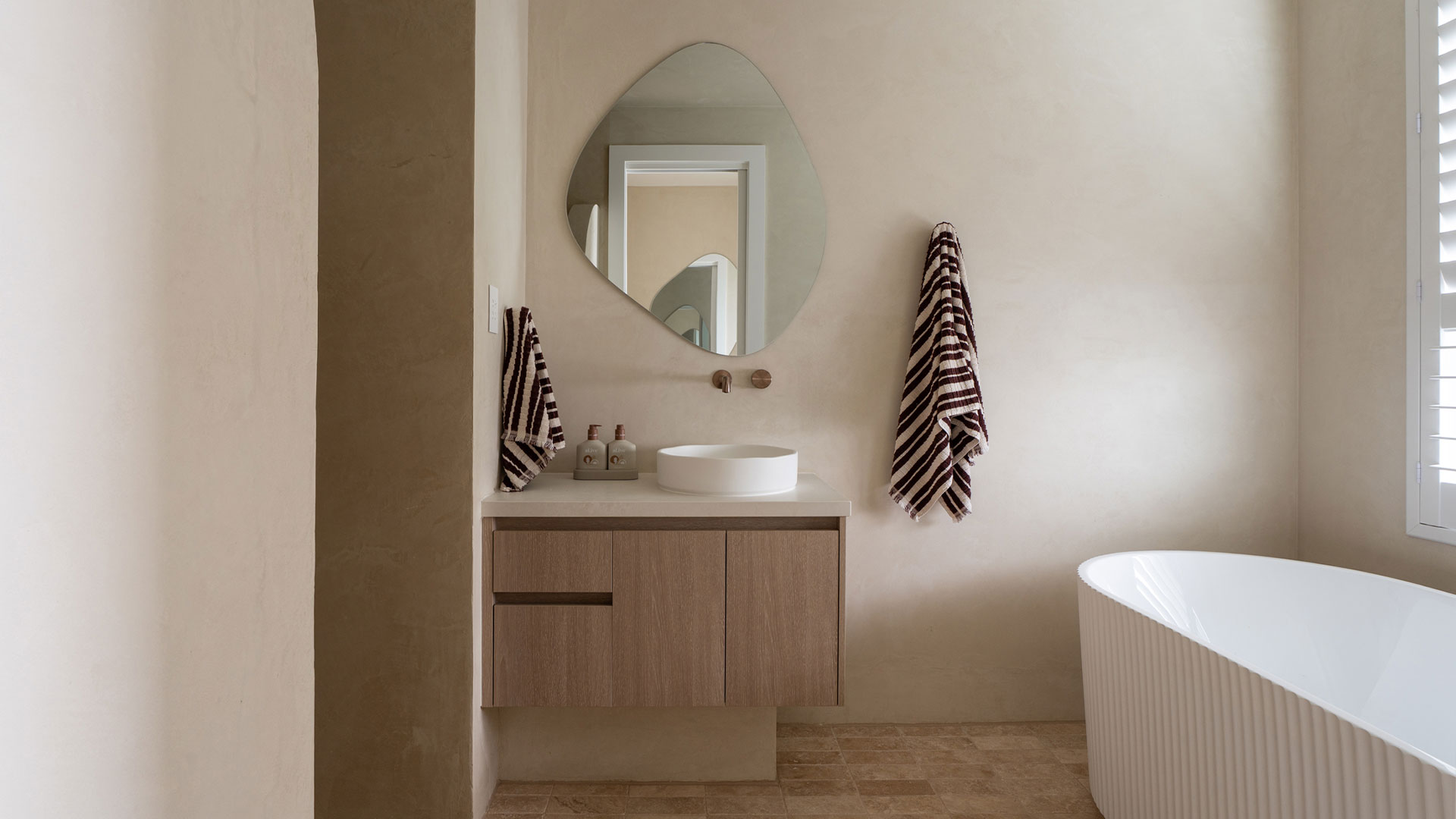
Bathrooms. The most common request we receive. Floors, walls, shower surrounds, niches, vanity tops and bath surrounds can all run as one surface. Our microcement bathroom page covers wet area work specifically.
Where it is not the answer
Substrates that move significantly, floors with active cracking, or surfaces that flex underfoot need attention before any coating goes down. Timber floors in particular need assessment. We will say plainly when a room is not suited to it.
Understanding what is micro cement can do, and where it stops, is most of the decision. If you are weighing it against tiles or polished concrete for an Adelaide project, our microcement services page sets out the systems we apply, and the projects gallery shows completed work in situ.
Frequently Asked Questions
Common questions about microcement in Adelaide, answered by our in-house team.
How long does microcement take to install?
A typical bathroom takes around five days on site. Most of that is curing time between coats and sealing, rather than application. Larger floor areas run longer, and the surface should not take heavy use until the sealer has fully cured.
Is microcement more expensive than tiles?
The material cost is higher per square metre, but there is no demolition, no waste removal and no tiling trade to schedule. On a renovation over existing tiles the total project cost often lands in much the same place, and the disruption stays considerably lower.
Does microcement crack?
Not on a sound, stable substrate. Cracking almost always reflects movement underneath rather than the coating itself, which is why substrate assessment comes before any quote.
Can you repair microcement?
Yes. We re-coat and reseal damage locally. Because the colour runs through the material rather than sitting on the surface, repairs blend far better than a painted finish, though we cannot guarantee an exact match on a weathered surface.